A rough idle is a symptom that can originate from airflow control, vacuum integrity, fuel delivery balance, ignition performance, sensor inputs, or engine mechanical condition. The right fix depends on what the data and testing prove.
We confirm the complaint, identify the pattern, and test the systems that actually control idle stability so your next step is based on evidence, not parts guessing.
Serving drivers in Lynchburg, Boonsboro, Wyndhurst, Peakland, Rivermont, Forest, Timberlake, Madison Heights, and Bedford.
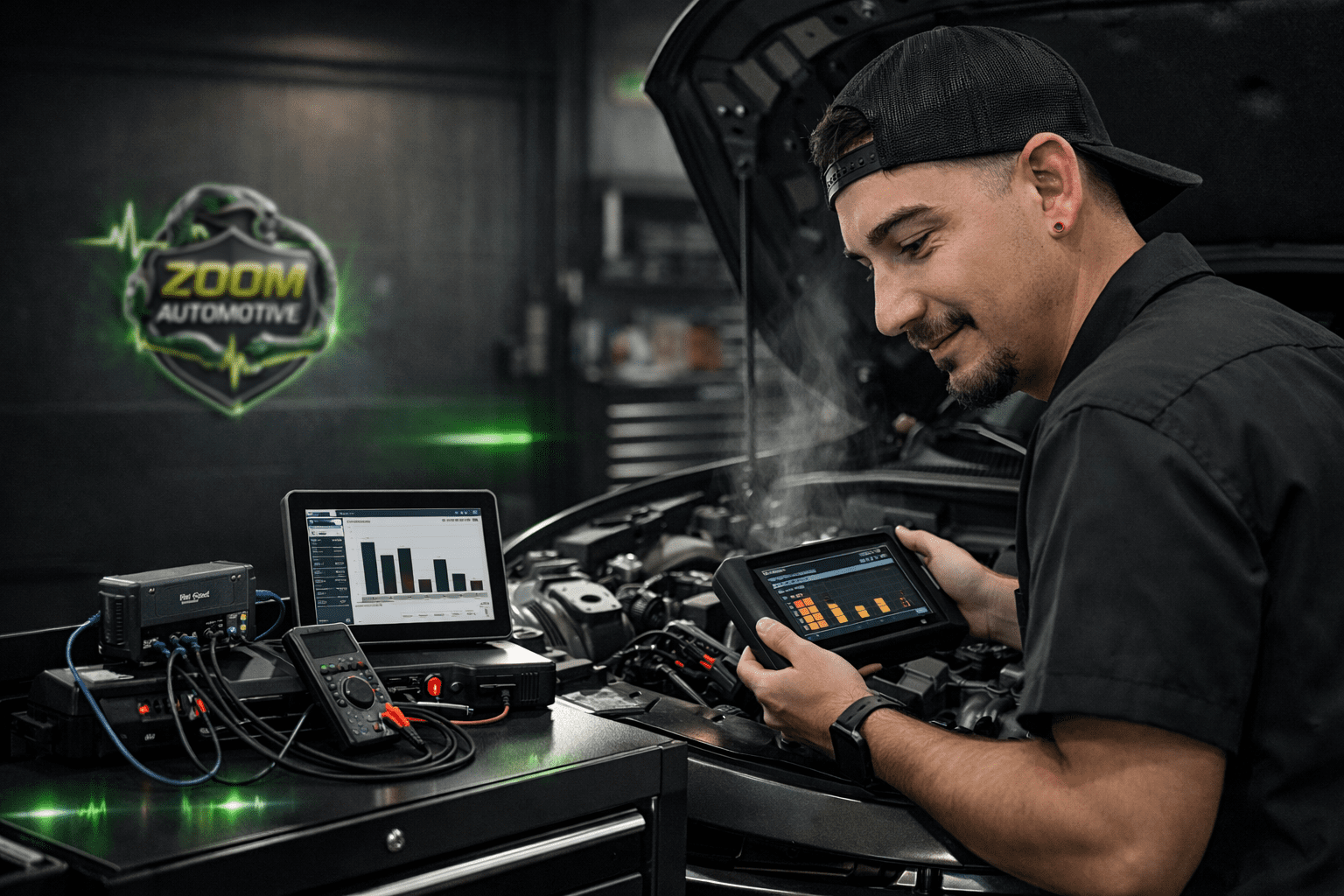
Idle quality depends on accurate airflow, stable fuel control, strong ignition output, and correct engine mechanical condition. When one variable shifts, the symptom can look the same across multiple causes. Testing isolates the failure point.
A rough idle can be misfire-related, air metering related, fuel control related, or mechanical. The correct repair path depends on which pattern the data proves.
Replacing components based on probability can hide the symptom temporarily while the root cause continues. We verify the cause before recommending repairs.
Mid-page reinforcement: We commonly see rough idle complaints from Peakland, Wyndhurst, and Forest drivers where small air or fuel control errors show up most at idle.
We confirm the complaint, identify the pattern, and verify the cause before repair recommendations are made.
These are common causes, but the correct answer depends on verified testing and data patterns.
Use these pages to match the symptom and follow the engine cluster.
Idle is a low-load condition where small air or fuel control errors become obvious. Driving can mask the symptom. Testing fuel trims, airflow, and misfire patterns identifies the actual cause.
Cold operation changes fuel strategy and airflow behavior. If a leak, sensor input, or imbalance exists, it may show more strongly during warm-up. Testing confirms which variable is unstable.
Yes. Some leaks are small enough to stay within correction limits and may not set a fault immediately. Fuel trim analysis and verified leak testing confirm it.
No. Rough idle can come from airflow metering, fuel control, vacuum leaks, or mechanical condition. Misfire testing and pattern analysis separates it from other causes.
If the rough idle is misfire-related, unburned fuel can overheat the catalytic converter over time. Testing early reduces risk and helps prevent repeat failures.
Share when it happens: cold or hot, in gear or neutral, and whether turning on AC or headlights changes the idle. Clear conditions help reproduce the issue and confirm root cause.
If your vehicle is shaking at idle, stalling, or surging, start with diagnostics-first testing. Serving Lynchburg with support for Boonsboro, Timberlake, and Bedford drivers.