Overheating is not a parts guessing game. If your temperature gauge climbs, coolant disappears, the heater stops blowing warm, or the problem only shows up at idle or on the highway, the right fix starts with testing.
We verify coolant loss, cooling system pressure integrity, thermostat behavior, fan command and control, and live temperature data to identify the true cause before repairs are recommended.
Serving drivers in Lynchburg, Boonsboro, Wyndhurst, Peakland, Rivermont, Forest, Timberlake, Madison Heights, and Bedford, plus high intent areas including Bedford Hills, Linkhorne, Goode, Huddleston, Concord, Rustburg, Amherst, and surrounding communities.
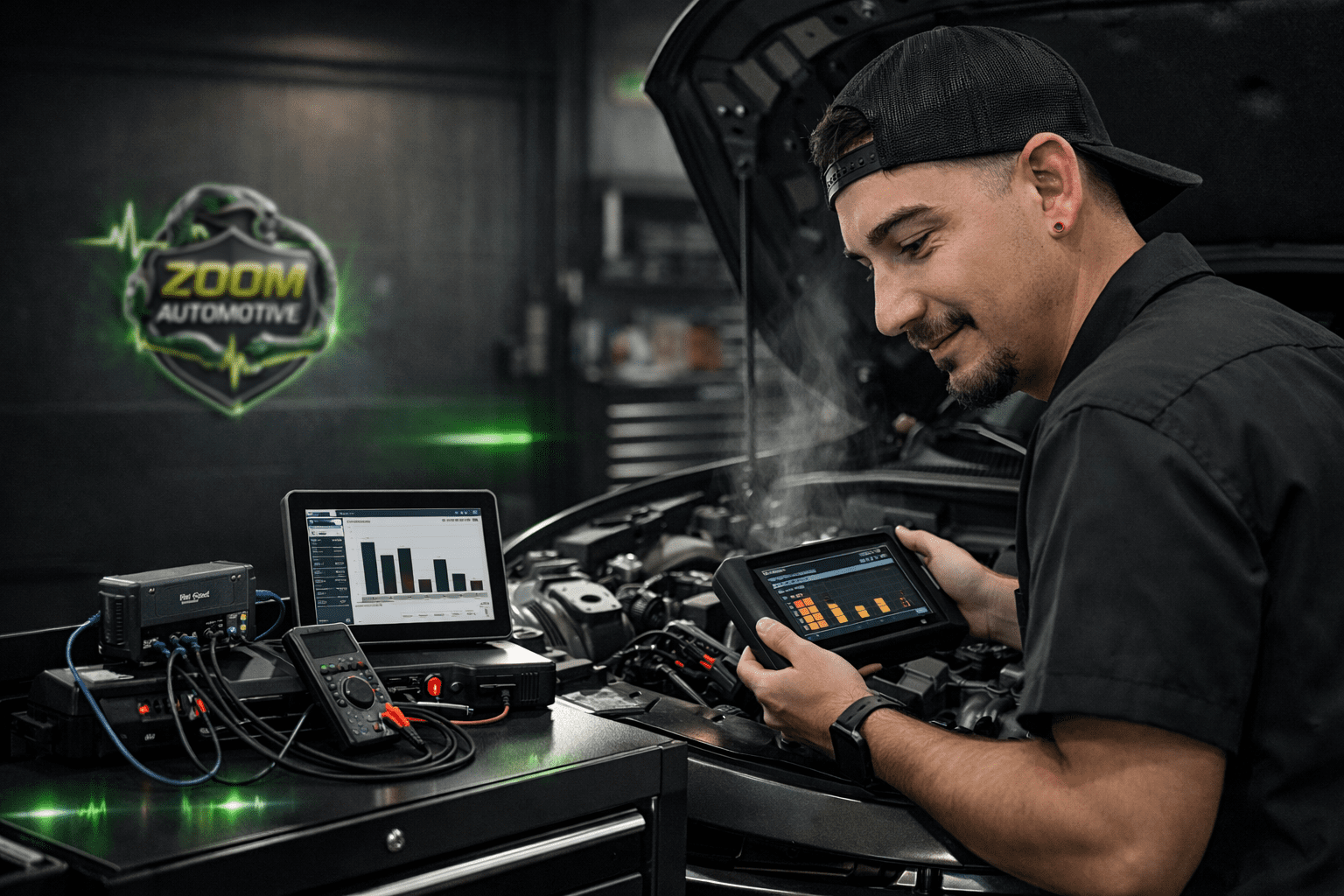
Overheating can damage head gaskets, warp components, and create repeat drivability concerns. A temperature spike is a symptom, not a diagnosis. We confirm the failure point with testing so the repair path matches what the vehicle proves.
If any of these are present, stop guessing and start with testing.
We verify the problem in a structured order so the repair solves the root cause.
Mid-page reinforcement: drivers in Peakland, Wyndhurst, and Forest often see repeat issues when overheating is treated as a parts swap instead of a test plan.
Multiple failures can produce the same symptom. Diagnostics separates cause from coincidence.
Use these pages to follow the engine cluster and choose the right next diagnostic path.
Driving while overheating increases the risk of internal engine damage. If the temperature rises above normal, reduce load, pull over safely, and schedule testing before continuing regular driving.
This pattern often involves fan command, fan speed, airflow, or circulation. We test fan control logic, relays, inputs, and verify temperature rise behavior under low airflow conditions.
Coolant loss can occur through small leaks under pressure, seep points that evaporate on hot surfaces, or internal loss that must be confirmed. Pressure testing and verified checks help locate the path.
Not always. Overheating symptoms overlap across multiple components. We test first so the recommendation matches the confirmed failure instead of a guess.
Highway overheating can point to circulation, restriction, or cooling efficiency limits. Idle overheating often points to fan control or airflow. Testing verifies which condition your vehicle proves.
We validate the repair by monitoring live temperature data and operating conditions after repairs, confirming the system holds pressure and that fan command and cooling performance remain stable.
If your vehicle is running hot, losing coolant, or overheating intermittently, start with testing. Serving Lynchburg with support for Boonsboro, Timberlake, and Bedford drivers.