Stalling at stops, dying on turns, or shutting off at idle is not something to guess at. The cause can be airflow and idle control faults, fuel delivery instability, sensor input errors, ignition failures, or a mechanical problem that shows up when load changes.
We test first to confirm the failure mode before any repairs are recommended. You get a clear explanation of what we found and what it takes to fix it correctly.
Serving drivers in Lynchburg, Boonsboro, Wyndhurst, Peakland, Rivermont, Forest, Timberlake, Madison Heights, and Bedford.
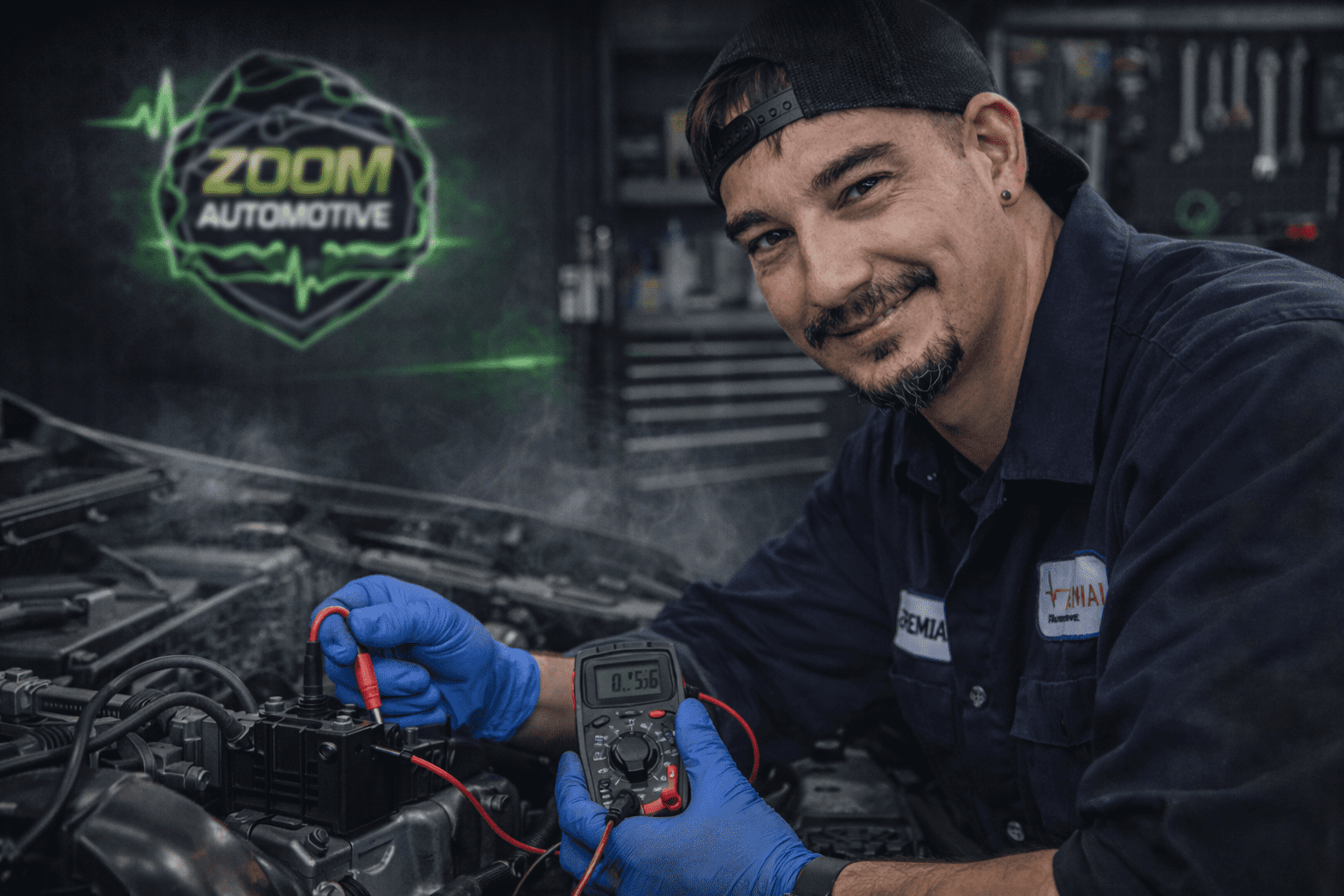
Stalling typically shows up when the engine cannot maintain stable airflow, fuel delivery, and ignition as conditions change. That is why the correct repair path depends on verified testing, not probability.
Stalling can come from multiple systems that overlap. Replacing parts based on common causes can waste money and leave the root issue untouched. We confirm the failure mode before recommending repairs.
We reproduce the stall condition, capture the right data, and confirm root cause before repair recommendations are made.
Mid-page reinforcement: drivers in Peakland, Wyndhurst, and Forest often see repeat stalling when the issue is treated as a parts swap instead of a test plan.
Initial tests depend on the stall pattern, but these checks commonly confirm the direction fast.
Use these pages to match the symptom and follow the engine cluster.
Stalls at stops often happen when airflow and fuel control cannot stabilize as RPM drops. It may be idle control faults, unmetered air, fuel delivery instability, or sensor input errors. Diagnosis confirms the failure mode before parts are replaced.
Yes. Some stalling events are intermittent or do not meet thresholds to set a code. We rely on captured data and targeted checks to confirm root cause.
Turning and parking changes load and idle demand. If airflow control or fuel delivery is marginal, it may stall during those transitions. Testing focuses on reproducing the exact condition.
It can be. A stall can reduce steering assist and braking assist and can put you at risk in traffic. If it stalls frequently or unpredictably, schedule testing as soon as possible.
A stall after refueling can point to EVAP system behavior, purge control issues, or a fueling and airflow imbalance. Diagnosis confirms whether the stall is tied to EVAP command, fuel trims, and idle control strategy.
Note when it happens: cold or hot, after refuel, during braking, while turning, or at idle. Also mention any recent repairs, battery issues, or warning lights. Clear conditions help reproduce the stall and confirm root cause.
Yes. Many stalling causes also create hesitation or rough idle. That is why we link testing across airflow, fuel, ignition, and sensor inputs to confirm the system that is failing.
If your vehicle stalls at stops or shuts off unexpectedly, start with diagnostics-first testing. Serving Lynchburg with support for Boonsboro, Timberlake, and Bedford drivers.