Losing oil between services with no visible leak is a symptom that needs confirmation, not assumptions. The cause can be PCV faults, valve seal wear, turbo oil intrusion, or internal engine wear that only shows up under certain conditions.
We document the pattern, verify what is actually happening, and test in the right order so the next step is based on proof. You get clear findings and options based on what the vehicle shows.
Serving drivers in Lynchburg, Boonsboro, Wyndhurst, Peakland, Rivermont, Forest, Timberlake, Madison Heights, and Bedford.
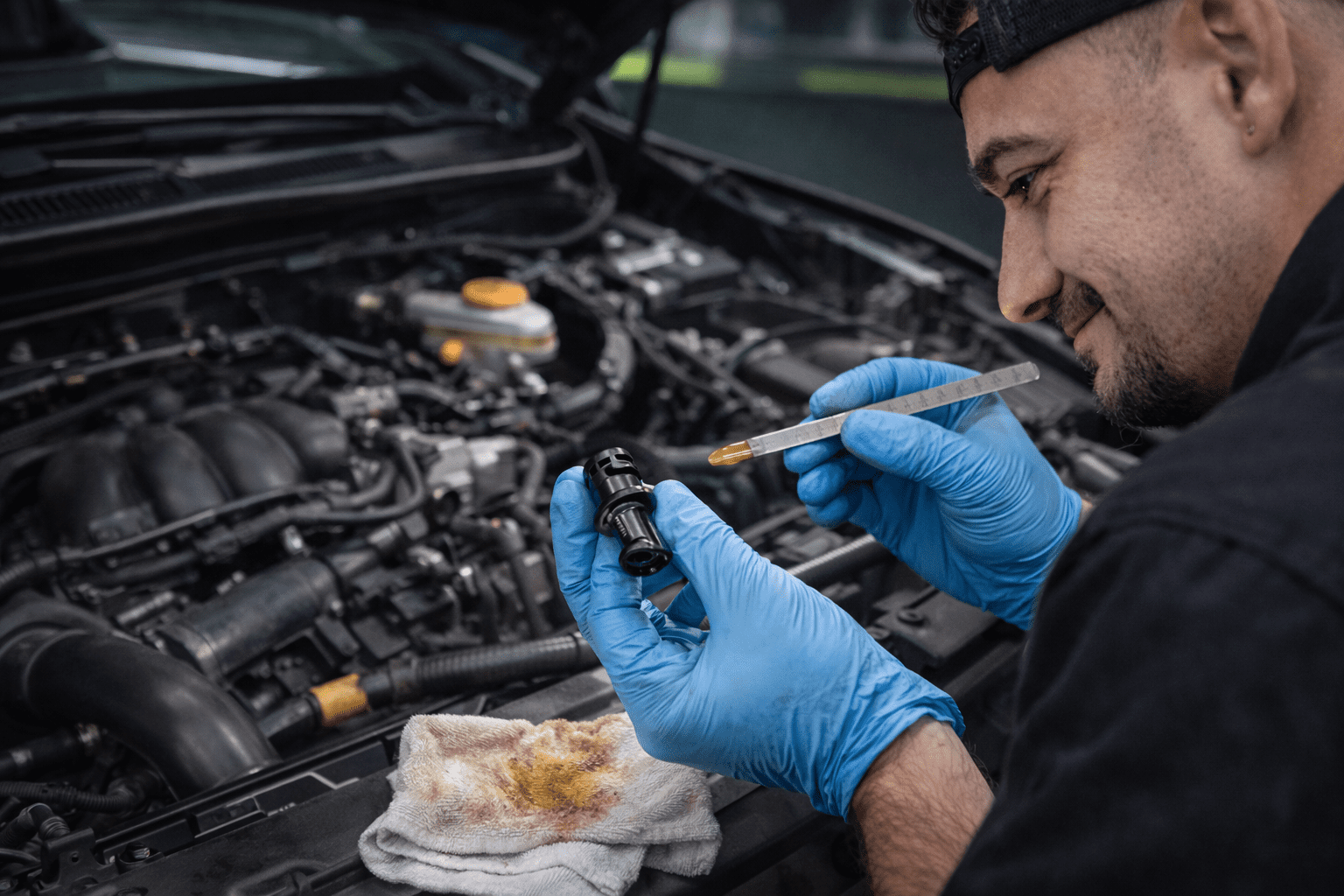
Oil consumption is not just a low level on the dipstick. It is a symptom that can originate from crankcase ventilation faults, valve sealing issues, turbo oil intrusion, or internal wear. The correct fix depends on what the inspection and data prove.
Oil loss problems often look the same across different causes. Replacing parts based on probability can waste money and delay the real fix. We verify the source before recommending repairs.
We confirm the condition, identify the pattern, and verify the cause before repair recommendations are made.
Mid-page reinforcement: drivers in Peakland, Wyndhurst, and Forest often save time and money when oil loss is verified with a test plan instead of parts guessing.
These are common causes, but the correct answer depends on verified testing and documented results.
Use these pages to match the symptom and follow the engine cluster.
Yes. Oil can be burned internally, drawn through the PCV system, or pushed into the intake or exhaust path. That is why visual inspection alone is not enough to confirm the cause.
We verify external leak paths, then confirm crankcase ventilation behavior and look for oil entry clues in the intake, combustion pattern, and plug condition. When needed, we use borescope inspection to verify cylinder condition.
Yes. PCV faults can pull oil vapor into the intake and increase consumption without leaving oil spots on the ground. Testing confirms whether ventilation and crankcase pressure control are operating correctly.
Blue smoke at startup often points to oil entering the combustion chamber while the engine sits, which can involve valve seal issues or oil control behavior. Testing verifies the pattern and confirms the most likely path.
It can. Oil fouling can affect spark plugs and combustion quality, and oil burning can contribute to catalyst related codes. We confirm what is actually causing the fault before parts are replaced.
It depends on the rate and the risk of running low. If the level drops quickly, driving can cause engine damage. Until testing is completed, check the level regularly and schedule diagnostics soon.
Yes. We use Digital Vehicle Inspections with photos and video so you can see what we see and understand the recommendation and next steps.
If you are adding oil between services or noticing blue smoke, start with diagnostics-first testing. Serving Lynchburg with support for Boonsboro, Timberlake, and Bedford drivers.