An engine misfire means one or more cylinders are not producing consistent power. The cause can be ignition, fuel delivery, airflow metering, sensor inputs, or engine mechanical condition.
The right fix depends on what the data and testing prove. We confirm the misfire pattern, identify what conditions trigger it, then test the systems that can actually create that failure.
Serving drivers in Lynchburg, Boonsboro, Wyndhurst, Peakland, Rivermont, Forest, Timberlake, Madison Heights, and Bedford.
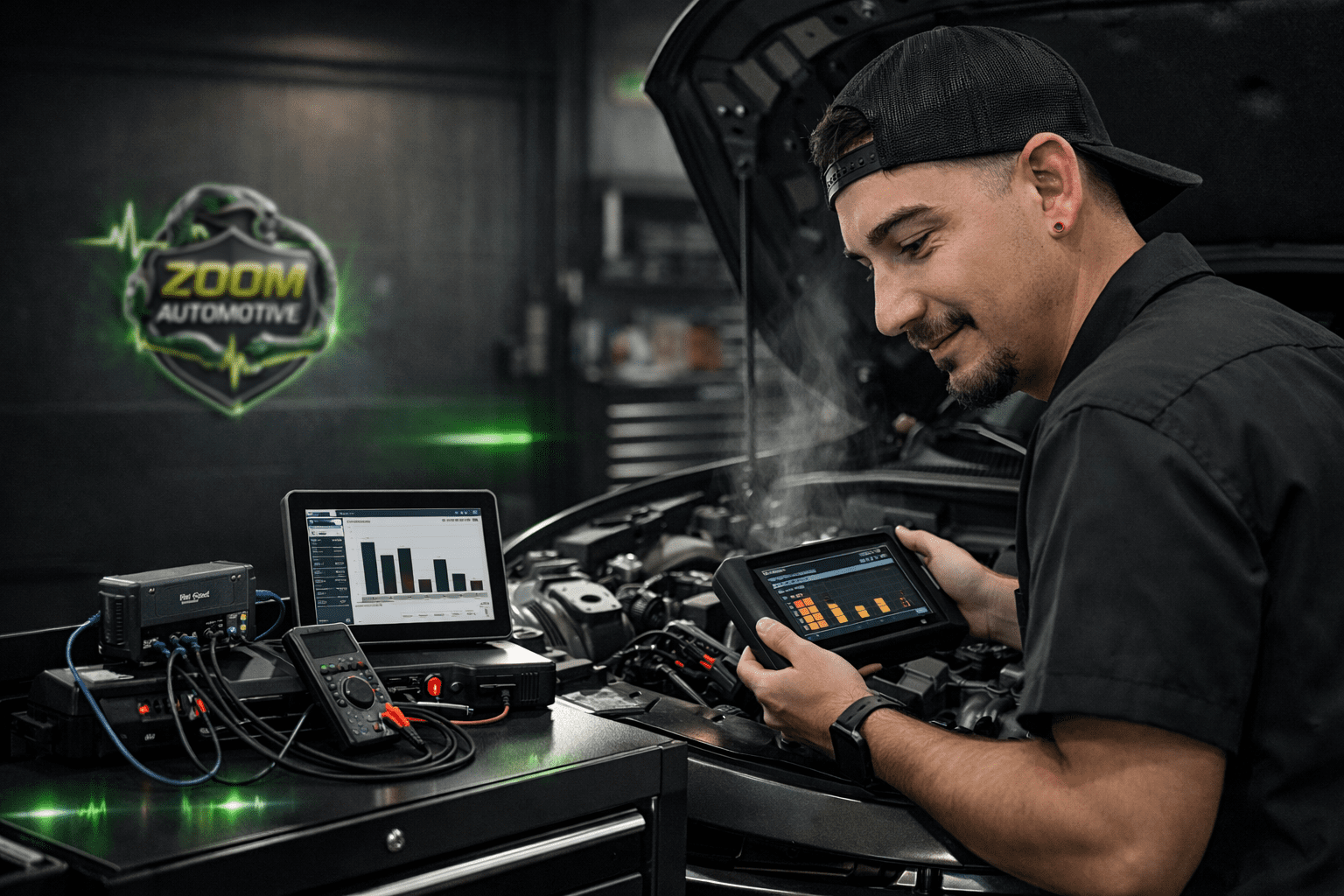
A misfire is incomplete combustion in one or more cylinders. The symptom can feel like shaking, stumbling, hesitation, or a loss of power. Codes and misfire counters are a starting point. The correct repair depends on verified testing.
If the check engine light is flashing, limit driving and schedule testing.
We commonly diagnose misfire complaints from Peakland, Wyndhurst, and Forest where drivers want the cause confirmed before repairs.
We confirm the misfire pattern, then test the system that the evidence points to.
Misfire problems can feel the same across different causes. Testing prevents repeat repairs and wasted parts. We serve Lynchburg with support for Boonsboro, Rivermont, Timberlake, and Bedford drivers.
If your vehicle is shaking, start here, then follow the related symptom pages below for the most direct diagnostic path.
Use these pages to match the symptom and keep your engine cluster path tight.
Link logic: shaking often overlaps with misfire. Surging frequently overlaps with hesitation. Reduced power pairs with loss of power. Noise concerns can overlap with oil consumption and overheating.
Misfire can feel like shaking, stumbling, hesitation, or a loss of power. The same symptom can come from different causes, so we confirm the pattern and test to verify the root cause.
If the check engine light is flashing, limit driving. Active misfire can damage the catalytic converter. If the light is steady, schedule diagnostics soon so the problem does not escalate.
No. Misfire can be ignition, fuel delivery, airflow, sensor input, or mechanical. Testing confirms which category is failing before parts are recommended.
Load increases cylinder pressure and changes fuel and spark demand. Weak ignition output, fuel delivery problems, or airflow calculation issues can show up during acceleration even if idle seems normal.
Idle is a low load condition where small air leaks, mixture control issues, or imbalances can become more noticeable. Data and testing confirm which system is unstable.
Share when it happens: cold or hot, idle or acceleration, and whether the check engine light flashes. These details help us reproduce the condition and build the right test plan.
If your vehicle is shaking, stumbling, or showing a flashing check engine light, start with diagnostics-first testing. Serving Lynchburg with support for Boonsboro, Timberlake, and Bedford drivers.